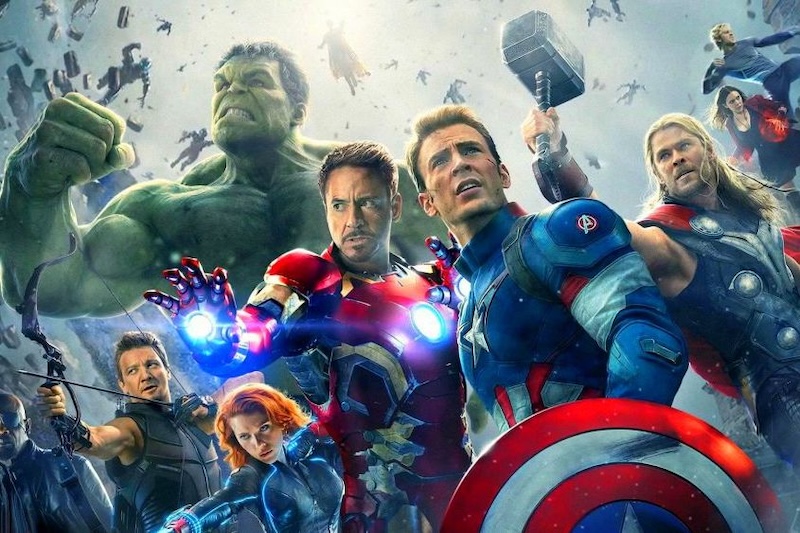
For years, superhero movies dominated global entertainment, generating billions of dollars for Hollywood studios and shaping modern pop culture.
But after a string of disappointing releases from Marvel Studios and DC Studios, many fans and critics have started talking about “superhero fatigue”.
New academic research suggests the situation may be more complicated.
According to analysis published by The Conversation, audiences are not necessarily tired of superheroes themselves – they may simply be losing interest in repetitive storytelling and weaker films.
Box office struggles raise questions
Recent superhero films have struggled to match the massive success enjoyed during the peak years of the Marvel Cinematic Universe.
Movies such as The Marvels and The Fantastic Four: First Steps underperformed commercially, forcing Disney to rethink its Marvel strategy.
Meanwhile, DC continues trying to relaunch its film franchise following mixed audience reactions to recent releases.
But the research argues that interest in superheroes remains strong in other areas of entertainment.
Marvel-themed video games, graphic novels and streaming shows continue attracting huge audiences.
For example, the article notes that the Marvel’s Spider-Man game series sold tens of millions of copies, while the online game Marvel Rivals reportedly reached 40 million players within two months of release.
More than simple entertainment
The research also challenges the idea that superhero stories succeed only because of spectacle and escapism.
According to interviews conducted with Marvel and DC fans, many viewers are drawn to superhero stories because they reflect social, political and cultural tensions in society.
The article argues that earlier Marvel films resonated strongly because they connected with major contemporary issues:
- Black Panther explored racism and post-colonialism;
- the Iron Man films reflected anxieties surrounding terrorism and war; and
- darker modern series such as The Boys tap into public concerns about nationalism, populism and political power.
“It is this current lack of social and cultural commentary that participants reported as the reason behind Marvel and DC’s recent troubles,” the article stated.
Superheroes have survived for decades
Researchers note that superhero stories have repeatedly adapted to changing historical moments.
The original superhero boom during the 1930s coincided with the economic hardship of the Great Depression, while Marvel’s rise during the 1960s reflected the political upheaval and counterculture movements of the Vietnam War era.
Following the September 11 attacks in 2001, superhero movies again surged in popularity as audiences embraced stories centered on danger, protection and moral conflict.
The article suggests that superheroes remain culturally resilient because the characters can continually evolve alongside society itself.
Industry faces pressure to reinvent itself
Hollywood studios are now under growing pressure to make future superhero projects feel more meaningful and less formulaic.
Analysts say audiences increasingly expect stronger storytelling and more relevance to contemporary social issues rather than endless sequels and visual effects.
The research concludes that superheroes themselves are unlikely to disappear anytime soon.
Instead, the real challenge for Marvel and DC may be rediscovering how to make their characters feel culturally important again.
Leave a Reply