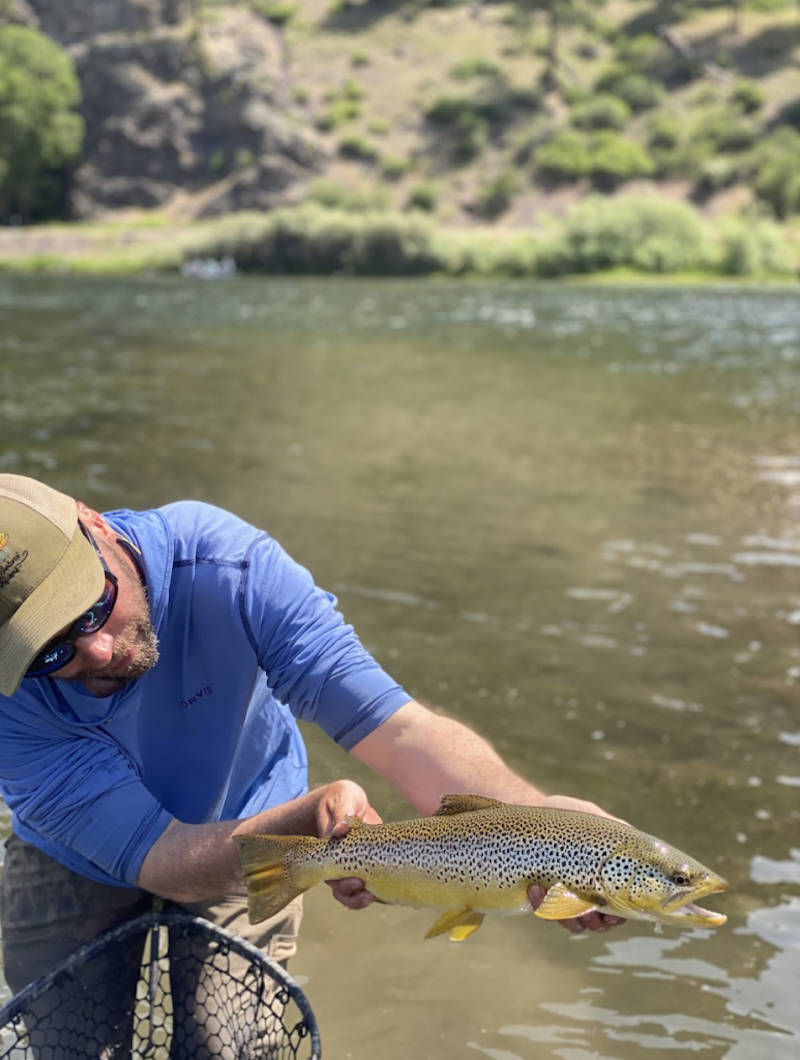
The Trump administration is moving to expand hunting and fishing access across federal lands following a January order issued by US Interior Secretary Doug Burgum, a policy shift that is already prompting debate over conservation, visitor safety, and the future management of America’s national parks and wildlife areas.
In a statement released by the House Committee on Natural Resources, chairman Bruce Westerman welcomed the move after the Department of the Interior issued a Secretarial Order aimed at removing restrictions on hunting and fishing access on public lands and waters.
“Hunting and fishing are cherished activities for millions of Americans, including myself,” said Westerman. “I’m glad to see Secretary Burgum and the Trump administration take action to expand recreational opportunities on our public lands for sportsmen and women to enjoy.”
Westerman added that Republicans on the committee are committed to ensuring “greater access to America’s public lands for Americans to enjoy while also ensuring responsible stewardship of our wildlife and resources for generations to come”.
The order, issued in January, directs Interior agencies to review and remove what Burgum described as “unnecessary regulatory or administrative barriers” to hunting and fishing access.
According to reporting by the Associated Press and The Guardian, managers at dozens of federally managed sites have already begun revising long-standing restrictions. These include easing rules on hunting stands, hunting dogs, vehicle retrieval of animals, and some trail-area hunting limitations.
The AP reported that the changes affect multiple National Park Service-managed sites across the lower 48 states, including locations in Massachusetts, Texas, and Louisiana.
The Department of the Interior has framed the policy as a way to support outdoor recreation, conservation funding, and rural economies at a time when hunting participation in the United States continues to decline.
In the text of the order cited by AP, Burgum wrote: “Expanding opportunities for the public to hunt and fish on Department-managed lands not only strengthens conservation outcomes, but also supports rural economies, public health, and access to America’s outdoor spaces.”
However, some former National Park Service officials and conservation advocates have expressed concern that loosening restrictions could create conflicts between recreational visitors and hunters in heavily visited public areas.
Dan Wenk, former superintendent of Yellowstone National Park, told the Associated Press that many park-specific hunting regulations had been developed through years of consultation with local stakeholders and wildlife officials.
The move reflects a broader push by the Trump administration to expand access to federally managed land for energy production, resource development, and outdoor recreation activities, while reducing what officials view as excessive federal restrictions.
Leave a Reply