Missouri’s attorney general has failed, for now, in an attempt to immediately halt the sale of controversial kratom-derived products sold by Kansas City-based CBD American Shaman, in a case that highlights growing national debate over the increasingly popular substance.
Jackson County Circuit Judge Charles McKenzie ruled Friday that the state had not yet presented sufficient evidence to justify an emergency temporary restraining order against the company and several affiliated businesses.
The lawsuit, brought by Missouri Attorney General Catherine Hanaway alongside the Missouri Department of Health and Senior Services, specifically targets products containing “7-OH” – short for 7-hydroxymitragynine – a potent compound derived from kratom.
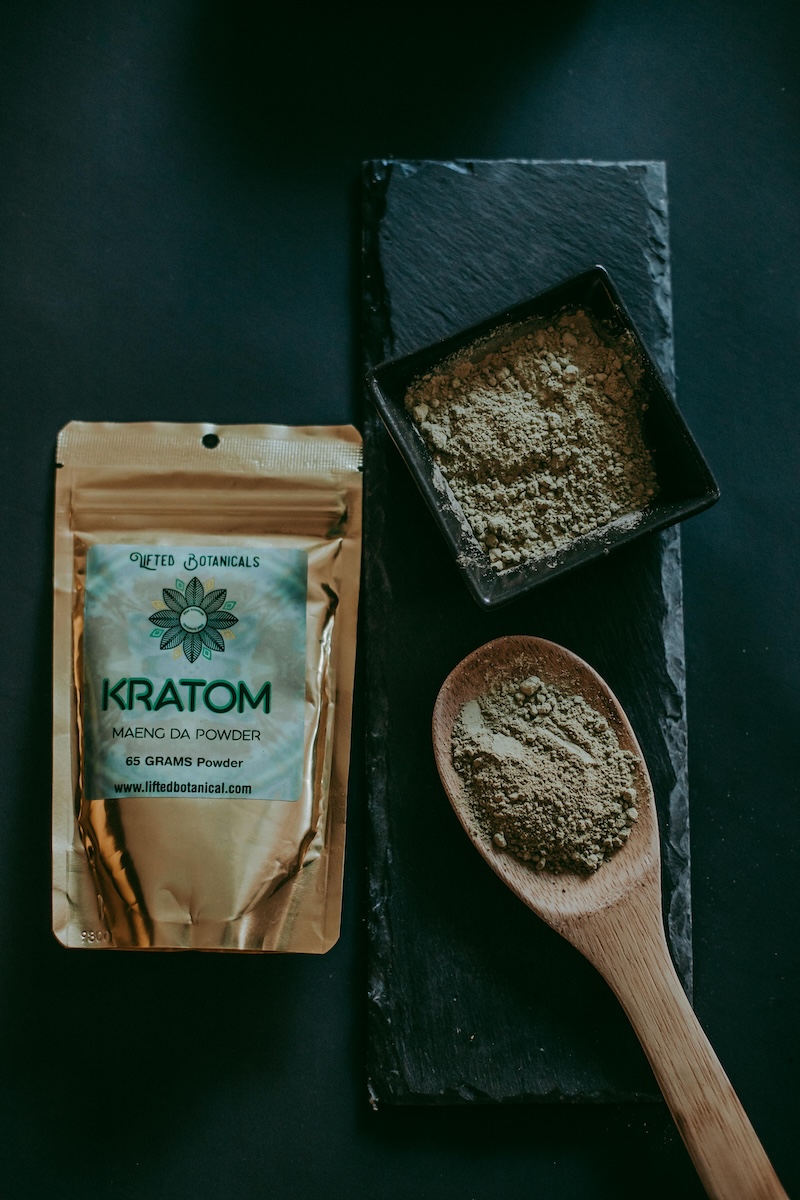
Kratom comes from the leaves of Mitragyna speciosa, a tropical evergreen tree native to Southeast Asia. Traditionally consumed in countries such as Thailand and Indonesia, kratom has gained popularity in the United States in recent years as a stimulant, pain-relief product, and alternative wellness supplement.
Supporters say kratom products can help with pain management, anxiety, and opioid withdrawal symptoms. Critics, including some health officials and addiction specialists, argue that concentrated kratom extracts such as 7-OH may carry significant addiction and overdose risks.
In his ruling, Judge McKenzie wrote that there were “competing affidavits” from expert witnesses on both sides and that the court could not yet determine “whether the plaintiff is likely to succeed on the merits at this juncture in the proceedings”.
The judge denied the restraining order “without prejudice”, meaning the state may continue pursuing the case with additional evidence and testimony at a later hearing.
According to the Missouri Independent, Hanaway’s office submitted sworn statements from an undercover highway patrol narcotics officer who claimed 7-OH products were being used to cut fentanyl, along with testimony from a woman whose brother allegedly died from a kratom overdose.
The state also cited an FDA report describing 7-OH as “a potent opioid that poses an emerging public health threat” and Missouri health data indicating synthetic 7-OH was involved in at least 197 deaths statewide.
American Shaman responded with statements from toxicology and addiction experts who argued there is insufficient evidence to conclude that kratom or 7-OH products pose a broad public-health danger.
One expert reportedly stated she had “never heard of 7-OH being used to cut fentanyl”.
Company founder Vince Sanders also defended the products, saying demand had become “enormous”, especially among consumers seeking pain-management alternatives.
The case reflects a wider national debate surrounding kratom regulation. The US Food and Drug Administration has repeatedly warned consumers about potential risks associated with kratom products, while advocates argue the plant is less dangerous than prescription opioids and should remain legally available.
Kratom currently occupies a legal gray area in much of the United States. It is banned or restricted in some states and municipalities, while remaining widely available elsewhere in forms ranging from powders and capsules to concentrated extracts and beverages.
Meanwhile, the popularity of kratom products continues to grow across smoke shops, wellness stores, and online marketplaces, fueled in part by consumer interest in plant-based stimulants and alternatives to traditional painkillers.
Hanaway’s office has signaled that further legal action is likely.
“This is another step in our ongoing crackdown on kratom manufacturers who flout the law and try to justify endangering Missourians in the name of profit,” Hanaway said in a statement released Thursday.
“Our mission is to safeguard Missourians from unregulated and addictive substances, and we will continue to pursue every legal tool available to protect public health and safety.”
The story was originally reported by the Missouri Independent, with additional background from FDA publications and public health sources.
Leave a Reply