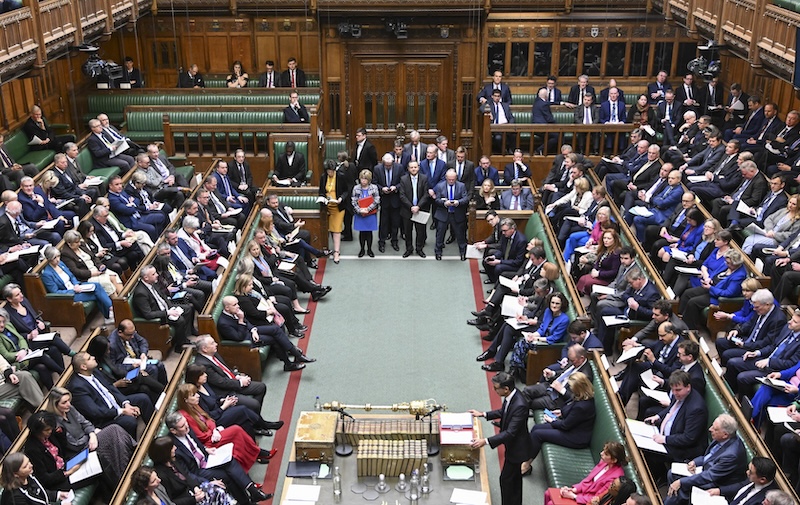
British Prime Minister Keir Starmer is facing growing political pressure after Labour suffered heavy losses in recent local elections, triggering speculation that a leadership challenge could emerge from within his own party.
One name increasingly being discussed is Andy Burnham, the mayor of Greater Manchester and one of Labour’s most popular politicians.
For many Americans, the idea that Britain could end up with a completely new prime minister without holding a national election may seem unusual. But under the UK’s parliamentary system, that is entirely possible.
Unlike the United States, British voters do not directly elect a prime minister. Instead, voters elect members of Parliament, known as MPs. The political party that commands a majority in Parliament forms the government, and the leader of that party becomes prime minister.
That means if a governing party replaces its leader internally, the country automatically gets a new prime minister without the public voting again in a nationwide election.
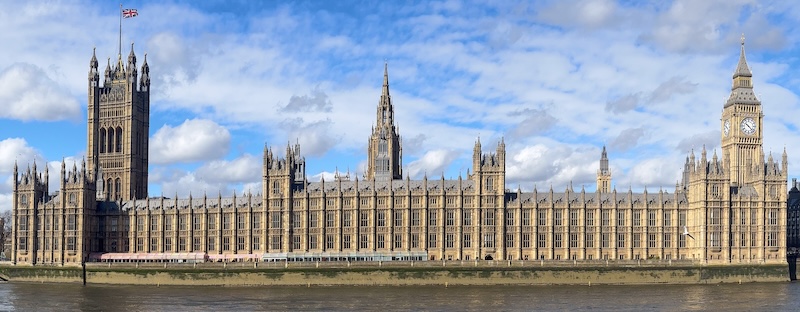
That is what happened when Boris Johnson was replaced by Liz Truss in 2022, and again just weeks later when Truss resigned and Rishi Sunak took over.
Why Andy Burnham is attracting attention
Burnham has become one of Labour’s most recognizable regional leaders during his nine years as mayor of Greater Manchester.
According to analysis published by The Conversation, Burnham has maintained unusually strong popularity ratings both locally and nationally.
He is particularly associated with Manchester’s publicly controlled Bee Network bus system, which introduced bright yellow buses and capped fares while expanding integrated transportation across the region.
Burnham also gained national attention during the COVID pandemic when he publicly clashed with the Conservative government over financial support for northern England.
That confrontation helped earn him the nickname “king of the north”.
The complicated path to power
Despite the speculation, Burnham cannot simply become prime minister immediately.
Because he is currently a regional mayor rather than a member of Parliament, he would first need to:
- resign as mayor;
- win a parliamentary by-election to become an MP;
- enter a Labour leadership contest; and
- then defeat Starmer or any other challengers.
Only then could he become prime minister.
The process may sound complicated, but it reflects the structure of Britain’s parliamentary democracy, where political parties hold enormous power over leadership changes.
Growing pressure inside Labour
Labour’s poor local election performance has intensified debate over Starmer’s leadership strategy and whether the party is connecting strongly enough with voters outside London.
Burnham’s appeal partly comes from his image as a regional figure focused on ordinary working people, transportation, housing and local economic development rather than Westminster political infighting.
However, some analysts caution that success as a city-region mayor does not necessarily translate into national leadership.
As The Conversation noted, managing a regional government is very different from handling national issues such as taxation, defense spending and international diplomacy.
For now, Starmer remains prime minister and no formal leadership contest has begun.
But Burnham’s growing profile highlights increasing uncertainty inside British politics — and serves as a reminder that in the UK system, a country can sometimes get a new national leader without voters ever returning to the ballot box.
Leave a Reply