One of the more surprising consequences of the Iran war has been the resilience of global oil supplies, despite disruption around the Strait of Hormuz – the world’s most important oil shipping chokepoint.
While many analysts initially feared far more severe shortages and price spikes, growing oil production across North and South America has helped stabilize global markets and highlighted a broader shift taking place within the energy industry.
According to analysis published by The Conversation, countries including the United States, Brazil, Canada, Guyana and Argentina are rapidly increasing production and exports, helping offset supply disruptions from the Middle East.
The article notes that global oil prices have generally remained around $100 per barrel during the conflict – high, but lower than many market observers expected given the scale of disruption.
Americas expand production
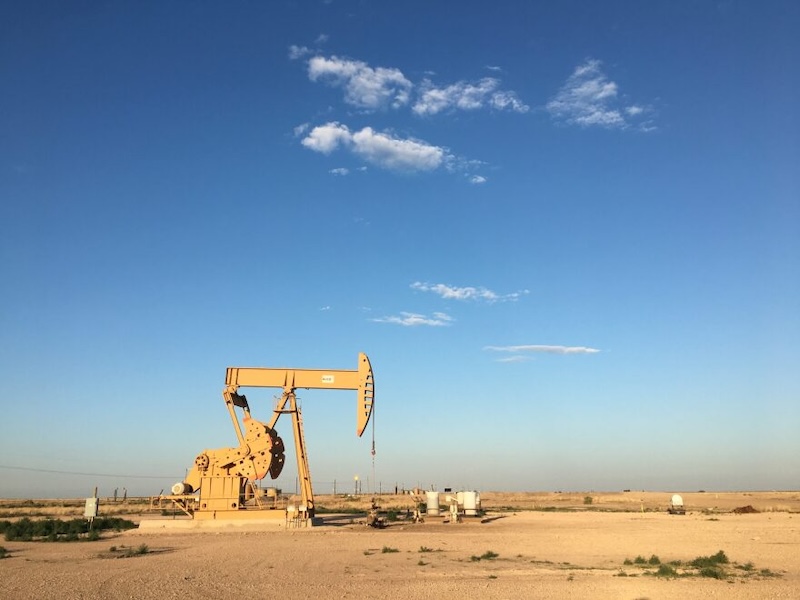
The United States remains the world’s largest oil producer, with liquid hydrocarbon production reaching nearly 22 million barrels per day earlier this year. American crude exports also recently hit record levels.
Brazil has emerged as another major growth center, expanding offshore production through new floating oil production platforms operating off the country’s Atlantic coast.
Meanwhile, Guyana – once a relatively small player in global energy markets – has become one of the world’s fastest-growing oil producers after major offshore discoveries in recent years.
Even Venezuela, despite years of economic and political instability, has reportedly increased exports as higher oil prices improve profitability.
Taken together, oil production across the Americas could approach 30 million barrels per day later this year, nearing the output historically associated with the OPEC cartel before the current conflict.
Middle East still holds major advantages
Despite the growth of Western Hemisphere production, analysts caution against assuming the Middle East is losing its long-term dominance over global oil markets.
Oil extraction costs in Gulf countries remain dramatically lower than those faced by many American producers.
According to The Conversation analysis, some Saudi oil fields can produce crude for less than $10 per barrel, while many US shale producers require significantly higher prices to remain profitable.
That cost advantage becomes especially important if global prices decline again in the future.
Geography also favors Middle Eastern producers in many Asian markets, where rapidly growing economies continue relying heavily on imported oil from nearby Gulf states.
At the same time, countries such as Saudi Arabia and the United Arab Emirates are investing heavily in pipelines and export infrastructure designed to bypass the Strait of Hormuz and reduce vulnerability to regional instability.
Energy security remains global concern
The changing balance within global oil markets reflects a broader geopolitical shift as countries increasingly focus on energy security alongside economic competitiveness.
For consumers, the expansion of oil production outside the Middle East could help reduce vulnerability to future supply disruptions and price shocks.
But analysts say the Gulf region is still likely to remain central to global energy markets for decades because of its enormous reserves, low production costs and established export infrastructure.
Leave a Reply